
Case study 03
Thesis projectGulbari
From “save it for an occasion” to premium, every day.
Read the full case study (opens in a new tab)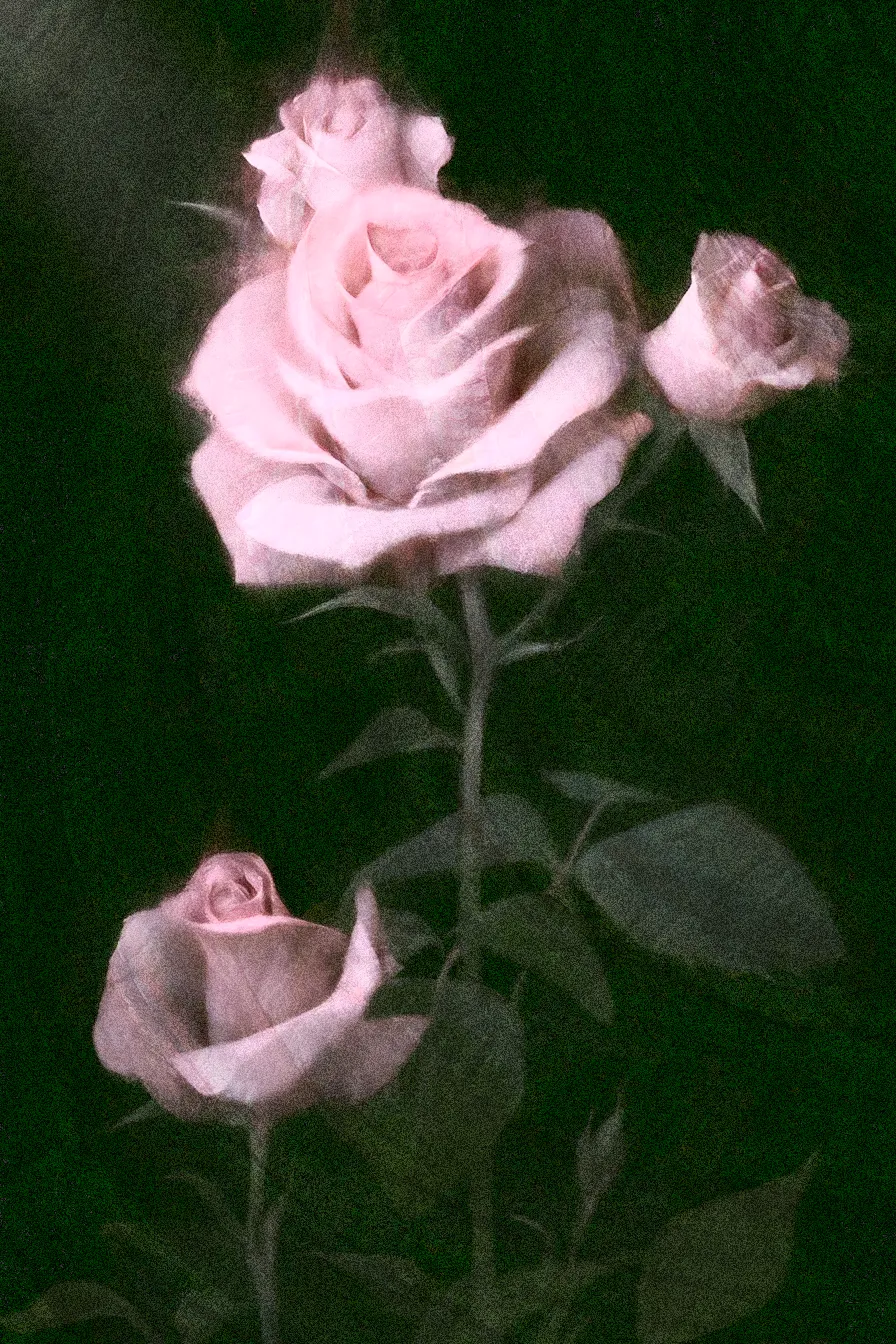
How the project ran
-
 01
Diagnose
I set this brief myself, as my final-year thesis, and treated it as a business I could launch rather than an academic exercise.
The question: was there room for a brand between fine gold and mass-produced artificial jewellery, and what would make someone pay for it? The one fixed commitment was real 925 silver. Everything else was open.
-
 02
Investigate
I surveyed 112 people and interviewed 14 on the supply side: wholesalers, retailers, artisans and industry experts. They showed me how shops stock jewellery, and how much of the final price goes to retail margins.
About three in four said they had bought jewellery, or visited a brand's site, after seeing it on Instagram or Pinterest.
Survey of 112: self-reported, from a convenience sample of mostly women aged 15–25 I didn't interview buyers directly, so what buyers want comes from the survey alone. It's the first gap I'd close.
-
 04
Evaluate
The market offered fine gold, precious but kept for occasions, and mass-produced artificial jewellery, cheap but disposable. Generic designs were sold on price.
The gap between gold and artificial wasn't just a price. It was a feeling neither offered: something that feels premium, worn every day.
-
 05
Recommend
Sell a feeling, not a price point, through three things together: the material, the designs, and the story each collection tells.
Sell where discovery already happens: Instagram first, then the website once there's demand to send to it, with pop-ups throughout, because people need to see the material and design when you ask ₹2,500 or more for silver.
Two options I rejected. Competing on price with mass-produced jewellery: a race to the bottom that would destroy the premium feeling. Lab-grown diamonds: appealing to buyers, but they needed a team and a scale I didn't have as one person doing a thesis.
Gulbari hasn't sold yet, so nothing here is proven in the market. The whole brand rests on one question: will people pay ₹2,500–5,000 for premium, every day? The cheapest honest test is a small Instagram drop of real pieces at full price, then talking to the people who buy, and to those who saved a piece but didn't.
What was built
A brand ready to launch, down to the packaging: a logo, a rose mark and a palette, and packaging named for gulab, the rose. Floral imagery, a restrained serif wordmark and deep jewel tones carry from the website to the business card to the campaign poster, so each reads as the same brand.
The first collection, Dew and Dahlia, gives every piece a name and a story, because the story is where the premium feeling comes from. The pieces are real and finished, in 925 sterling silver.
Want this for your brand?
A free 20-minute call to see which project fits, if any.
Not ready to talk? Send a short note Pick a time
Thanks, I'll reply by email.